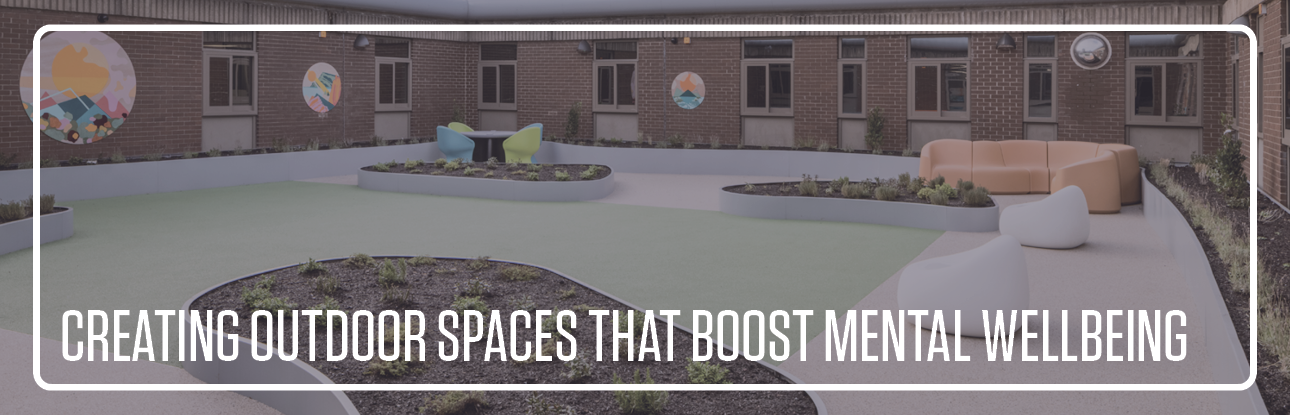
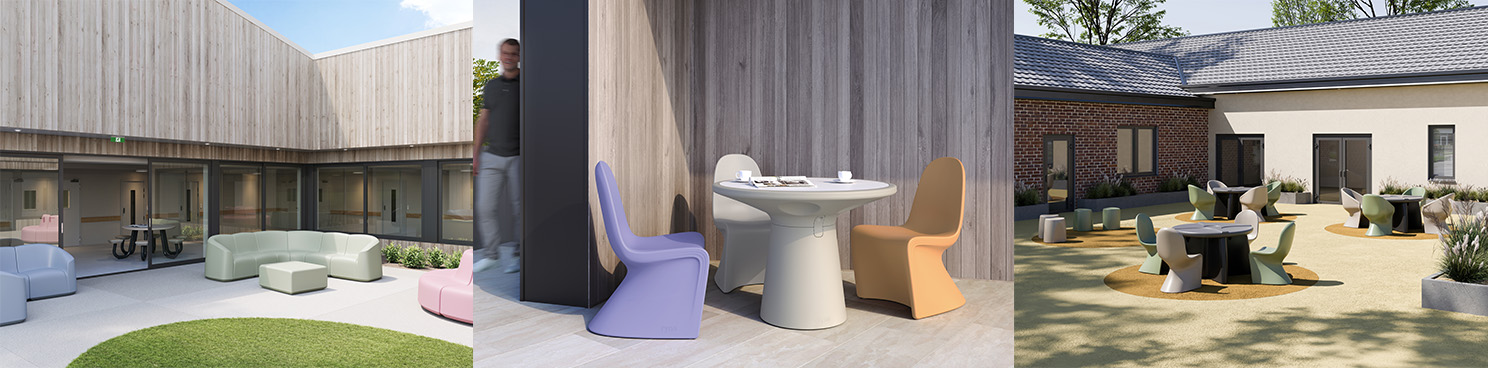
Spending time outdoors has a powerful impact on how we feel, think and recover. Well-designed outdoor spaces are an essential part of creating environments that support mental wellbeing. From encouraging movement to providing areas for quiet reflection, these spaces can have a meaningful impact on both individuals and staff. A thoughtful, design-led approach ensures they are not only safe and functional, but truly restorative.
Below are some key considerations when designing outdoor spaces:
1. Prioritise Safety and Accessibility
Ensure pathways are wide, level, and slip-resistant for easy mobility.
Include clear signage, handrails, and non-slip surfaces to promote confidence and independence.
Design entrances and exits that are intuitive to reduce stress or confusion.
2. Incorporate Sensory Engagement
Use a variety of textures, colours, and materials that are calming but stimulating, such as smooth stone, soft grass, or gentle water features.
Include fragrant plants like lavender or rosemary, and auditory elements like bird calls or trickling water.
Avoid overly bright or harsh colours; soft, natural tones are typically more soothing.
3. Integrate Nature Thoughtfully
Use greenery strategically to create calming sightlines and visual interest; layered planting works well.
Incorporate trees for shade, seasonal interest, and a sense of enclosure.
Include water features or reflective surfaces, which can reduce anxiety and encourage mindfulness.
4. Support Physical Activity and Movement
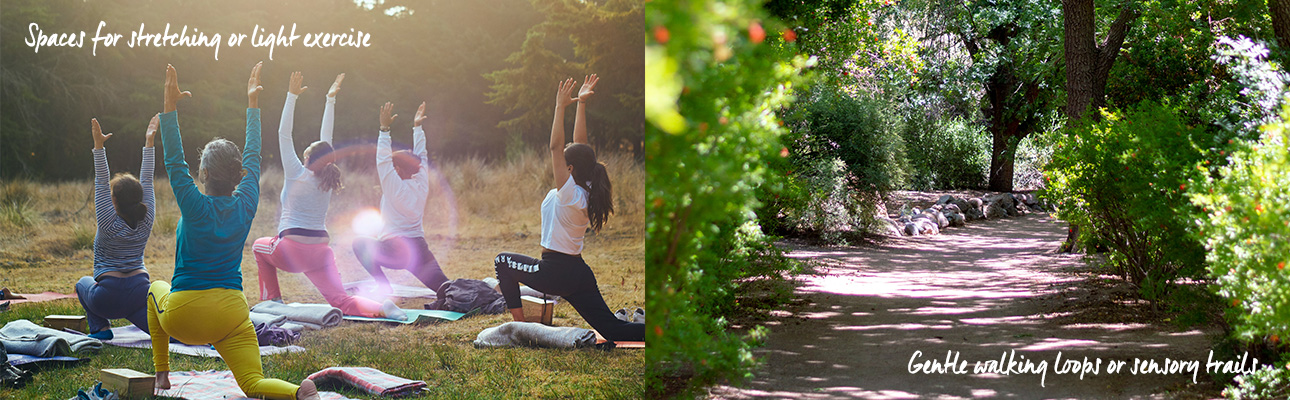
Design gentle walking loops or sensory trails that encourage mobility without being overwhelming.
Include spaces for stretching, gardening, or light exercise, giving users choices in activity.
Avoid long, monotonous paths; variations in layout keep movement engaging and stimulating.
Provide clear boundaries and predictable pathways to create a sense of safety and autonomy.
Offer areas with adjustable sensory input; spaces where individuals can control exposure to sound, light, or movement.
6. Offer Quiet Retreats and Social Areas
Include secluded nooks or small garden pods for reflection and private time.
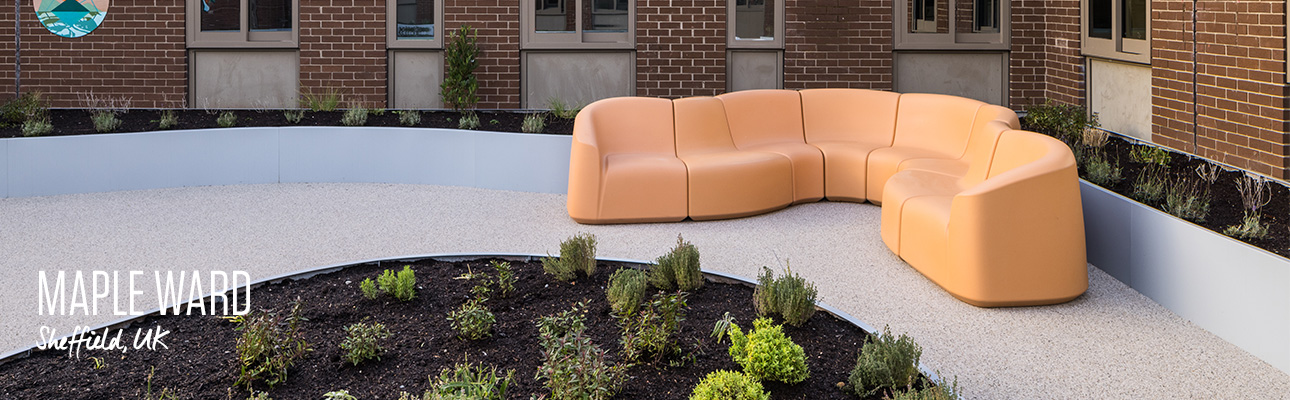
Provide seating clusters for small groups to encourage social interaction without overcrowding.
Consider benches with partial shelter or shade for comfort and privacy.
7. Encourage Connection to the Wider Environment
Where possible, integrate views of surrounding landscapes, gardens, or natural features.
Use planting and pathways to guide the eye, creating a sense of exploration and discovery.
Connect the outdoor space to indoor areas, allowing seamless access and creating continuity.
8. Ensure Flexibility and Adaptability
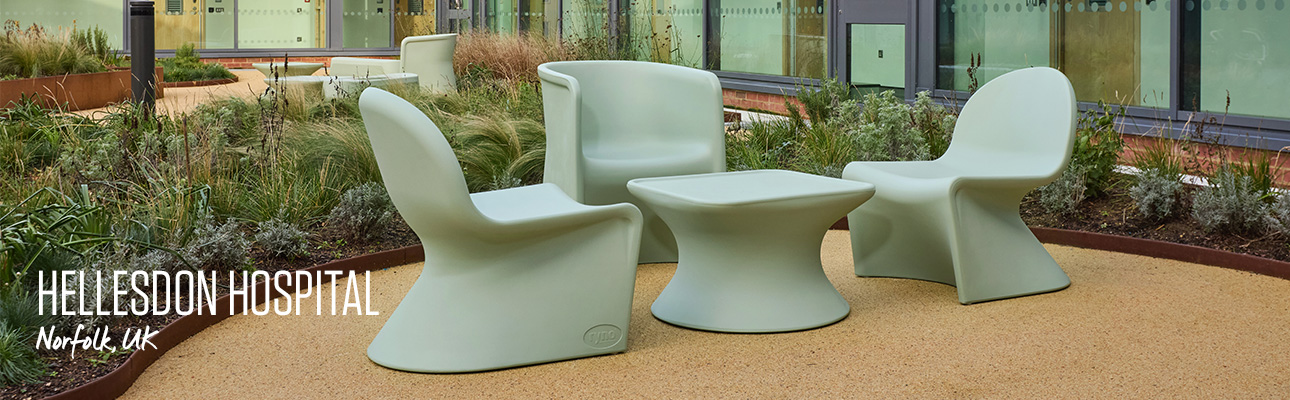
Include movable furniture or modular features so the space can adapt to different activities or users’ needs.
Plan for year-round use with shade, shelter, and weather-resistant materials.
Design with maintenance in mind; a well-kept space encourages use and reduces stress.
A mental wellbeing-focused outdoor space is more than just a garden, it’s a carefully curated environment that balances safety, sensory stimulation, movement, social interaction, and quiet reflection. Thoughtful design transforms these spaces into restorative environments that actively support recovery, resilience, and emotional wellbeing.