Designing furniture for challenging environments requires far more than an aesthetic response. Across mental health, custodial and other specialist settings, furniture must carefully balance functionality, safety, durability, and wellbeing; while supporting both staff and the individuals who use these spaces every day.
Increasingly, furniture design is moving towards people-centred solutions, recognising that thoughtful, adaptable and sustainable furniture can fundamentally influence how spaces operate and how they are experienced.
Below are six key trends shaping this shift in specialist furniture design.
Lighting is a key element in shaping how people feel and interact within challenging environments. As explored in our previous article by Campbell Thompson [Read here], layered, dimmable, and circadian-informed lighting supports emotional regulation, reduces stress, and complements flexible, human-centred furniture.
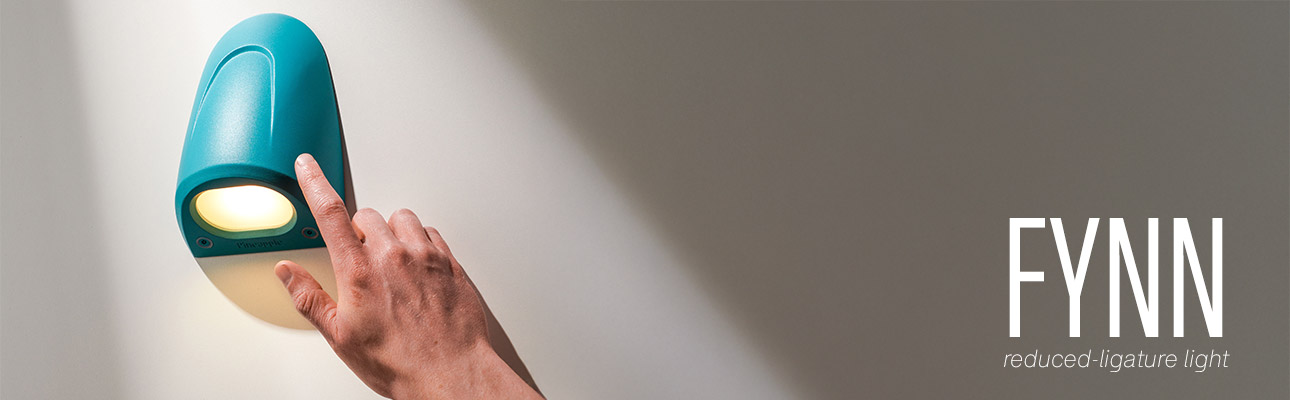
Explore our Fynn reduced-ligature light, a user-friendly, touch-operated system that allows users to choose the level of lighting that best supports their needs. Integrating thoughtful lighting with modular and adaptive furnishings helps create cohesive spaces that balance safety, comfort, and therapeutic outcomes.
Challenging environments are rarely static. Operational requirements can change quickly, and furniture must be flexible enough to respond without disruption. Modular furniture provides this adaptability.
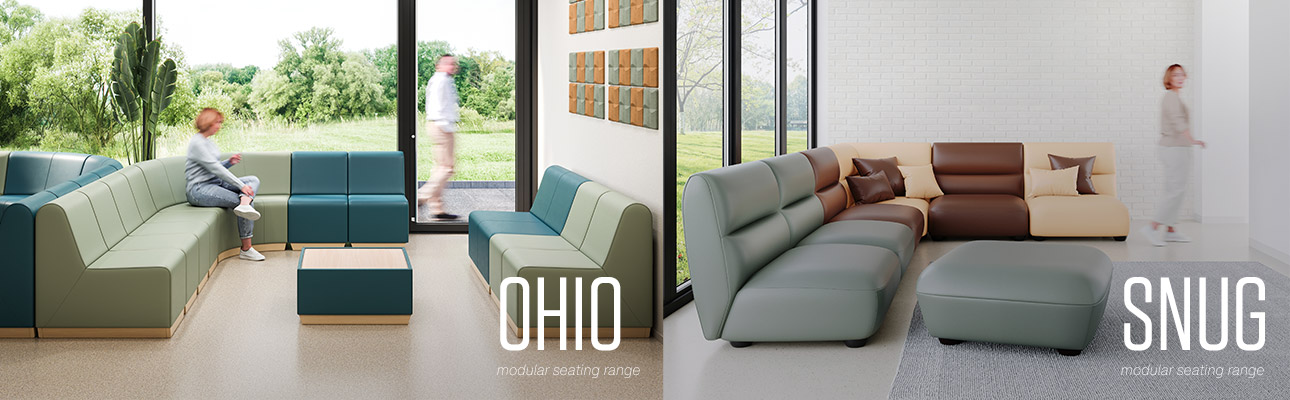
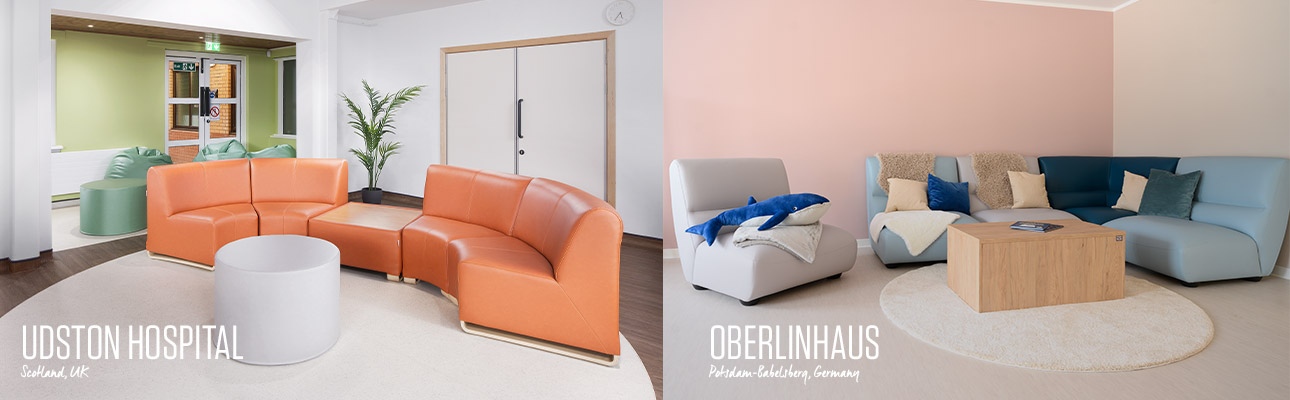
With modular designs, seating can be rearranged, expanded, or reconfigured to support different activities, care models, or occupancy levels. For example, our Snug Plus modular seating system can accommodate group interaction one day and quieter, more reflective use the next.
The real benefit of modular furniture is its flexibility: it allows spaces to be reconfigured quickly and safely, improving efficiency for staff while creating a more comfortable and supportive environment for users.
Click here to explore our full range of modular seating options.
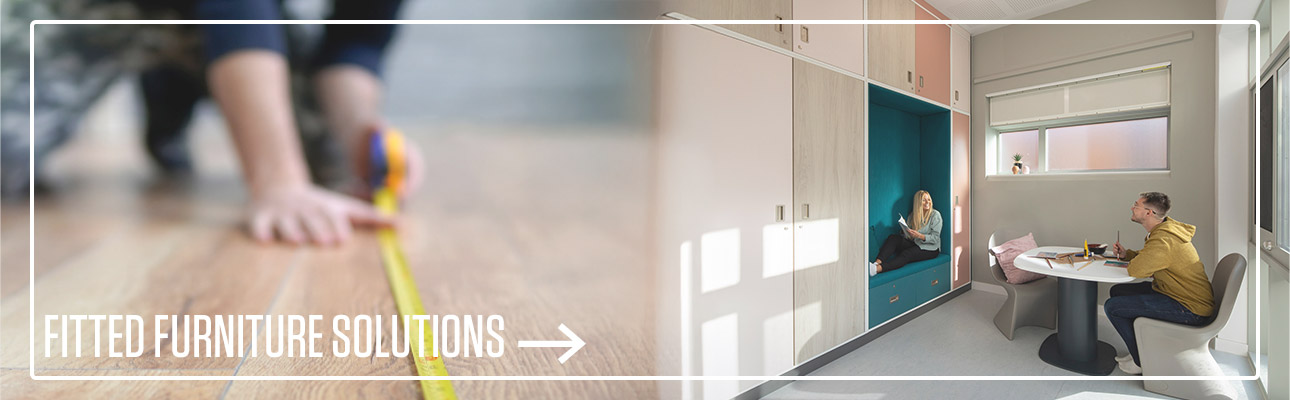
Standard furniture solutions can often struggle to meet the complex functional, safety, and accessibility requirements found in specialist and high-risk environments. Bespoke fitted furniture addresses this gap by responding directly to the specific constraints of each project.
From reduced-ligature detailing to robust, tamper-resistant fixings and construction, customised furniture can meet safety requirements without compromising comfort or dignity. Bespoke solutions also ensure space is used effectively, whether that means integrating fitted storage or carefully planning layouts to support sensory or therapeutic needs.
This approach reinforces a people-focused mindset, one where furniture supports behaviour, interaction, and wellbeing, rather than requiring people to adapt to restrictive or ill-suited designs.
Download a digital copy of our Fitted Furniture brochure. Alternatively if you wish to request a copy to be posted directly to you, please contact us on +44 (0)1622 237830 or email [email protected].
Sustainability is no longer a secondary consideration, even in demanding healthcare and custodial environments. As organisations continue to work toward evolving sustainability goals (e.g. read NHS England’s EverGreen Assessment criteria), there is growing emphasis on furniture that is durable, low-maintenance, and more responsibly sourced. These choices help extend product lifecycles, reduce replacement frequency, and minimise waste over time.
In specialist settings, sustainability also closely aligns with safety and hygiene. The use of robust, non-toxic, easy-to-clean materials supports healthier spaces for patients, residents, and staff, while environmentally conscious decisions reflect an ongoing commitment to improving ethical and sustainable practices.
Click here to read more about our sustainability goals.
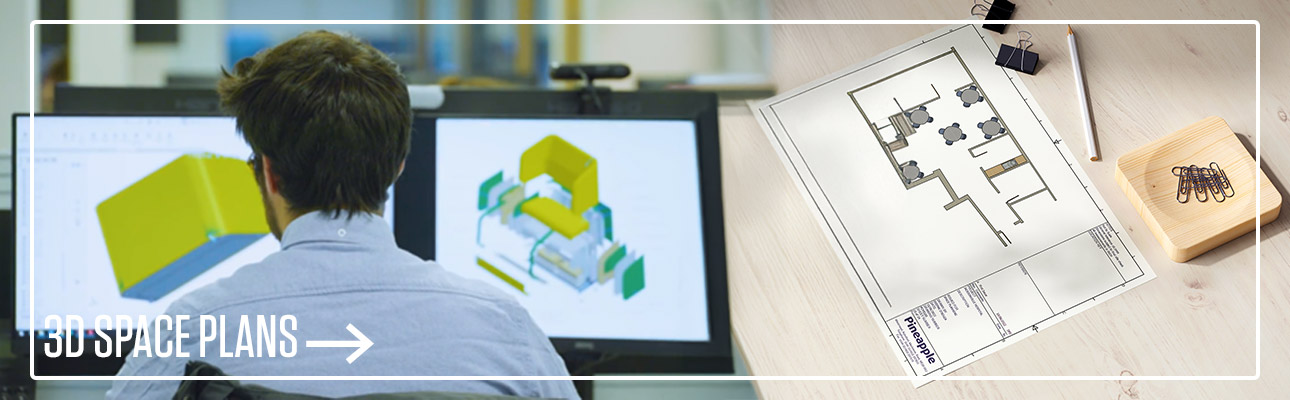
Complex environments often come with tight spatial constraints and multiple functional demands, making detailed planning essential. 3D visualisation and collaborative design tools have become a critical part of modern furniture specification.
Using 2D and 3D previews/ 360° views, designers and clients can explore layouts, sightlines, and circulation routes before installation, ensuring furniture fits precisely and supports safety, supervision, and usability. This collaborative approach also allows valuable input from frontline staff and service users, helping align furniture design with real-world experience.
For example, sensory spaces can be modelled to test lighting, acoustics, and furniture placement in advance. Similarly, sightlines can be assessed virtually to support observation and monitoring requirements. This reduces risk, avoids costly revisions, and ensures people-focused solutions are informed by insight rather than assumption.
Our experienced CAD design team can help you with your project here.
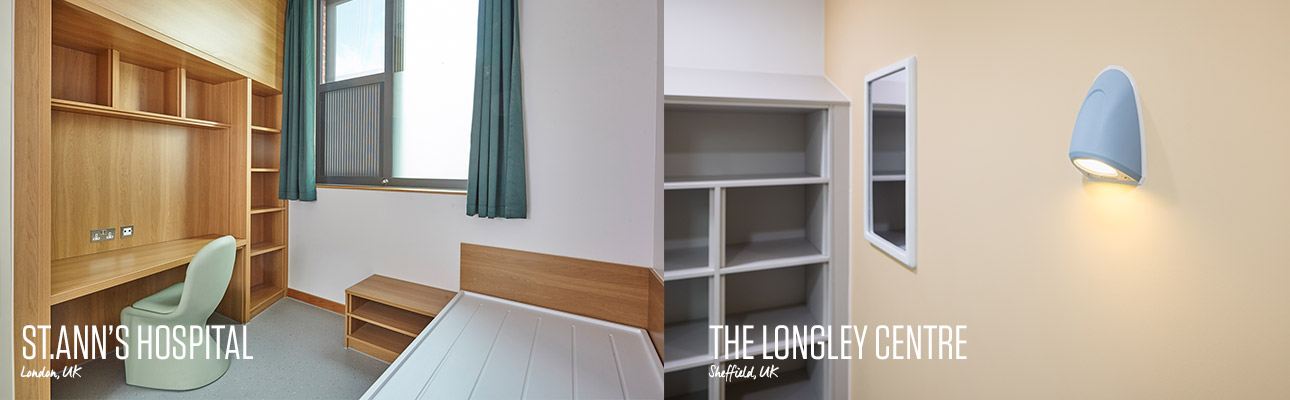
In challenging and specialist environments, evidence matters. Real-life case studies provide tangible insight into what works in practice, demonstrating how well-designed furniture can reduce stress, improve usability, and support safer, more effective spaces.
Case studies also help organisations justify investment in bespoke or modular furniture solutions by highlighting measurable outcomes; from improved workflows and safer staff practices to enhanced user experience and space efficiency.
By learning from proven examples, designers and decision-makers can make informed, lower-risk choices. This reinforces a shift towards people-centred design, where furniture is assessed not just on cost or durability, but on its real-world impact.
Explore our latest case studies here.
In some of the most complex and sensitive environments, furniture is far more than a functional necessity, it plays a fundamental role in shaping how spaces operate and how people experience them. Modular flexibility, bespoke solutions, sustainability, 3D visualisation, and evidence-based design all contribute to environments that prioritise safety, dignity, and wellbeing.
By embracing these principles, organisations to create spaces that are adaptable, responsive, and centred on real human needs. In environments where every detail counts, considered furniture design helps enable safer care and improved quality of life.