When specifying lighting for mental health environments, the conversation often begins with safety.
And rightly so.
These are some of the most challenging settings to design for, where products must withstand demanding conditions, support clinical care, protect vulnerable individuals, and perform reliably over many years of operation.
However, today’s healthcare providers, estates teams and specifiers face a broader challenge. Alongside safety and performance requirements, there is increasing pressure to make more sustainable, long-term specification decisions.
The question is no longer simply, “Is this luminaire safe?” Instead, it is becoming:
How do we balance safety, performance and sustainability to achieve the best outcome over the lifetime of a building?
Mental health facilities are incredibly diverse environments.
A patient bedroom has very different requirements to a corridor, nursing station, seclusion room or communal area. Each space serves a different purpose, supports different activities, and carries its own risk profile.
Designers must consider the needs of multiple user groups simultaneously, including patients, clinicians, visitors, estates teams and maintenance staff.
The challenge is creating environments that feel calm, supportive and therapeutic while remaining robust enough to withstand intensive daily use.
Importantly, risk levels within these environments are not fixed. Patient needs can change quickly, meaning lighting solutions must be adaptable and appropriate to the specific function of each space.
This is why successful lighting specification should always be rooted in risk-based decision making.
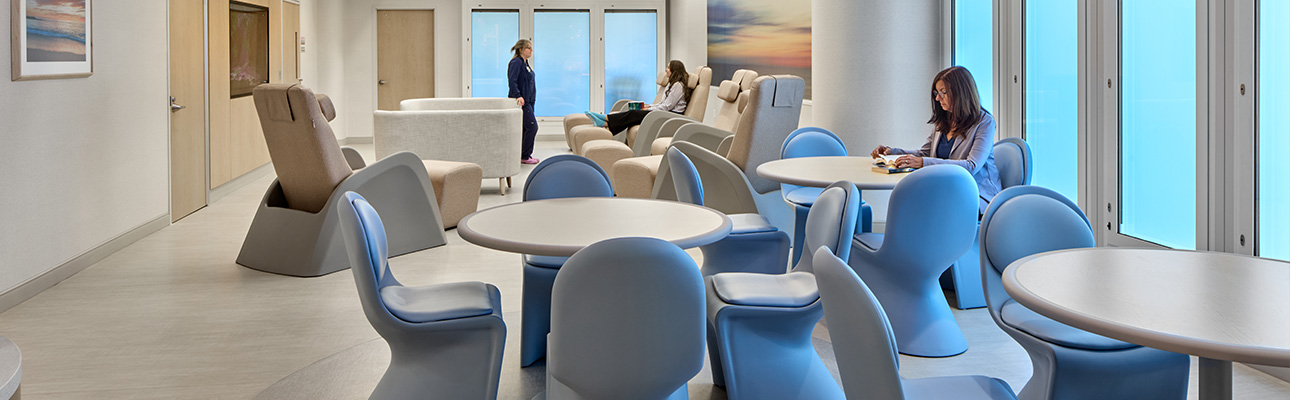
Lighting does far more than illuminate a room.
It influences how spaces are perceived, how people navigate environments, and how comfortable they feel within them. Natural light has long been associated with supporting mood, focus and wellbeing, while carefully considered artificial lighting can help create environments that feel welcoming, reassuring and supportive.
For clinical teams, lighting must also support safe and effective care delivery. Adequate illumination is essential for observation, assessment and routine tasks, while flexible controls can help balance operational requirements with patient comfort.
In behavioural healthcare environments, lighting becomes an important part of the wider therapeutic setting.
When discussing lighting safety, anti-ligature design and tamper resistance are often the first considerations.
These features remain critical, but safety extends beyond the physical characteristics of a luminaire.
Good lighting design also contributes to visual and psychological safety.
Poor glare control, excessive contrast and flicker can create discomfort and agitation. Conversely, comfortable, uniform lighting can help reduce stress, improve wayfinding and support a calmer environment.
Effective lighting specification should therefore consider three dimensions of safety:
By addressing all three, specifiers can help create environments that better support both patients and staff.
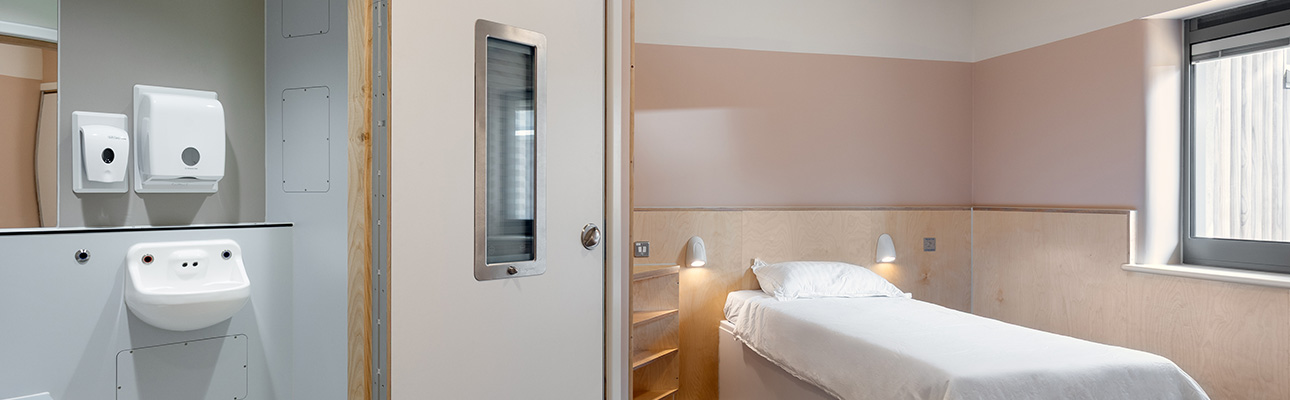
Performance is equally important.
Healthcare professionals need lighting systems that are reliable, easy to operate and capable of supporting a wide range of activities throughout the day and night.
Features such as dimming, scene setting and carefully considered night-time lighting can improve flexibility while helping to support rest and sleep quality.
Performance also encompasses compliance with relevant standards, product quality, and ease of maintenance.
A lighting solution that is difficult to service or maintain can quickly become a burden for estates teams and negatively impact the user experience.
When assessing performance, specifiers should consider:
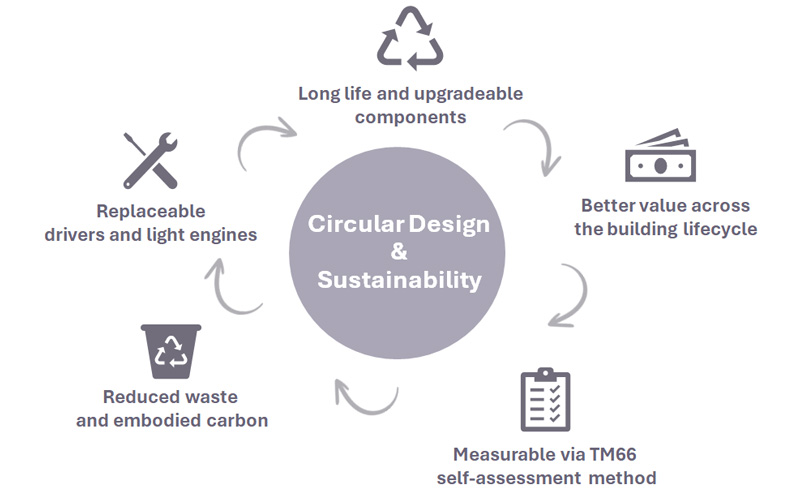
As healthcare organisations pursue ambitious sustainability targets, lighting manufacturers and specifiers are increasingly embracing circular design principles.
Circularity is about thinking beyond installation day.
Rather than focusing solely on purchase price, it encourages organisations to consider how products perform throughout their entire lifecycle.
Questions worth asking include:
Products designed for longevity, serviceability and future upgradeability can help reduce waste, lower embodied carbon and deliver greater value over the life of a building.
Frameworks such as TM66 are helping to provide a more consistent way of assessing circularity within lighting products and specification decisions.
One of the most important realities in lighting specification is that no single product will optimise every requirement equally.
There will always be trade-offs.
In some higher-risk environments, enhanced anti-ligature features may limit serviceability. In other areas, maintainability and energy efficiency may carry greater importance than maximum robustness.
The objective should not be perfection.
Instead, the goal is to make informed decisions based on clinical need, operational requirements and whole-life value.
The right solution for a patient bedroom may not be the right solution for a staff area, and that is entirely appropriate.
Good specification is about selecting the right product for the right environment.
A structured approach can help simplify specification decisions.
By assessing products against three key criteria — safety, performance and circularity — organisations can evaluate options more holistically.
The process should begin by understanding:
This approach moves decision making beyond initial purchase price and towards a more balanced assessment of whole-life value.
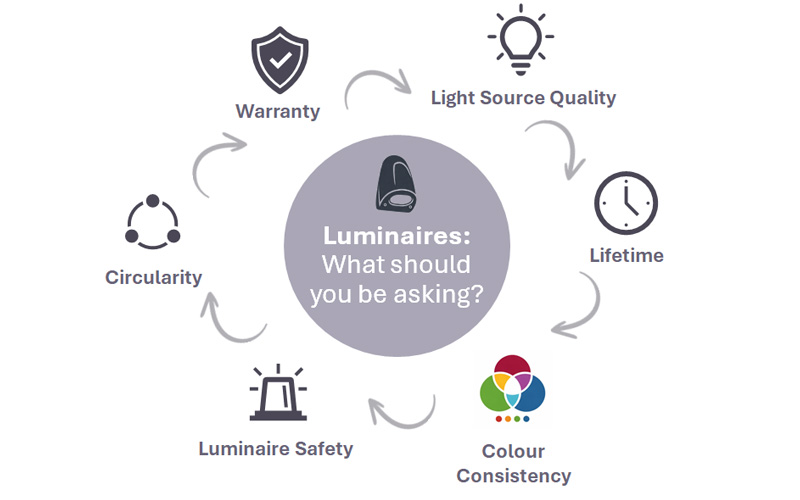
When evaluating lighting products, it is worth looking beyond the datasheet and asking deeper questions.
Consider:
These questions help build a clearer picture of how a product will perform throughout its lifecycle.
The strongest outcomes rarely come from specification decisions made in isolation.
Successful projects often involve early collaboration between clinicians, estates teams, procurement professionals, manufacturers and suppliers.
Each stakeholder brings a different perspective, helping to ensure solutions balance patient safety, operational performance and long-term sustainability goals.
Evidence-based decision making is equally important. Manufacturers should be able to provide robust testing data, compliance information and supporting evidence for claims relating to safety, performance and circularity.
Lighting is far more than a functional requirement within mental health environments.
It influences safety, supports therapeutic care, enables effective clinical practice and contributes to long-term sustainability objectives.
By aligning safety, performance and circular design principles, healthcare providers can create environments that better support recovery while delivering greater long-term value.
The future of lighting specification lies not in treating these priorities separately, but in integrating them into a single, balanced approach that benefits patients, staff and healthcare organisations alike.
Creating therapeutic environments requires lighting that supports both wellbeing and safety.
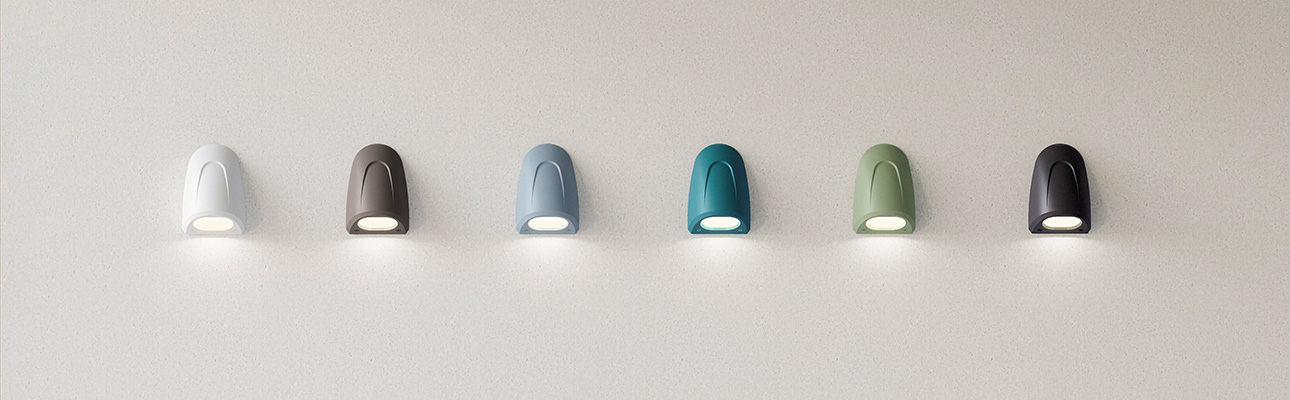
Pineapple’s Fynn Task Light has been specifically developed for challenging environments, combining robust anti-ligature design with high-quality illumination to support reading, relaxation and day-to-day activities. Designed with durability, reliability and long-term performance in mind, Fynn demonstrates how thoughtful product development can successfully balance safety, functionality and sustainability.
By focusing on quality, longevity and user-centred design, Fynn reflects the same principles explored throughout this article: delivering lighting solutions that protect, perform and endure.
Matt Healey is Group Head of Product Development at Pineapple. With more than 18 years of experience in product design and development, Matt has delivered specialist solutions for projects across the globe, including major financial institutions, government buildings, universities, museums, royal palaces and superyachts.
Holding a BSc in Product Design & Innovation, Matt is passionate about developing products that balance safety, performance, user experience and sustainability. He works closely with healthcare providers, estates teams, designers and industry partners to create practical, durable solutions that support recovery, wellbeing and long-term environmental responsibility in challenging environments.