
Care Guidance

Non-Waterproof Fabrics

  • Vacuum and wipe clean routinely with a mircofibre cloth lightly dampened with cold water only
  • Remove spills immediately with an absorbent dry cloth to prevent staining
  • Remove body fluids and extreme soiling immediately (within 15 minutes) with cold water then apply approved infection control protocol
  • Do not steam clean - heat seals in stains
  • Do not tumble dry
  • Do not fully immerse in water
  • Kitchen cleaners, abrasives, aerosol cleaners and polishes must not be used
  • Waterproof fabrics are non-elastic which may result in slight puckering on certain models. This may also occur once fabrics have become stretched after use

Vinyl and Waterproof Fabrics

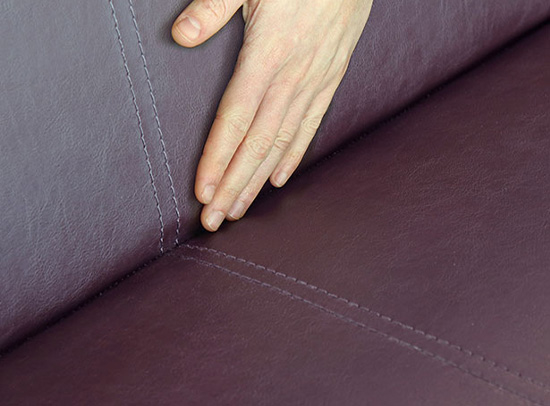
  • Wipe clean routinely with a microfibre cloth lightly dampened with cold water only and dry clean with an absorbent cloth
  • Soak up spillages as soon as possible with an absorbent dry cloth to prevent staining
  • Use only soft cloths, non-abrasive sponges, or soft nylon brushes for textured surfaces
  • If soiling has accumulated use a mild proprietary cleaner (non-alkaline), take care to remove all soap residues and dry with a clean absorbent cloth
  • Remove body fluids and extreme soiling immediately (within 15 minutes) with cold water then apply approved infection control protocol
  • Kitchen cleaners, abrasives, aerosol cleaners and polishes must not be used
  • Do not steam clean - heat seals in stains
  • Do not tumble dry
  • Do not fully submerge in water
  • Cracking and stickiness on vinyl fabrics are known issues to fabric manufacturers. As furniture manufacturers, Pineapple Contracts cannot accept responsibility

Leather

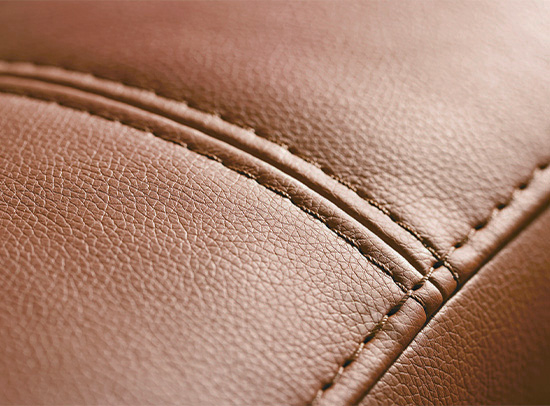
  • Clean the soiled area using a soft cloth or sponge with mild soap and water. Gently wipe until the stain is removed. Rinse thoroughly with clean water and allow to air dry. Residue from cleansers should always be removed promptly to prevent surface dullness or shortened product life
  • Test all cleaners in a small, hidden area before full use
  • Use only soft cloths, non-abrasive sponges or soft nylon brushes for textured surfaces
  • Do not apply kitchen cleaners, abrasive solutions, solvents, alcohol, acetone or any other chemical cleaners
  • Do not apply aftermarket top treatments such as UV protectants, vinyl conditioners, leather conditioners, silicone dressings, waxes, or stain-resistant sprays. These products are not needed and may leave residue, cause surface haze, or reduce cleanability
  • For difficult stains: Wipe the affected area with a damp cloth using 70% isopropyl alcohol or other professional cleaning agents. Repeat if necessary. Rinse with clean water and wipe dry. For best results, clean within 24 hours of staining
  • Note dyes and pigments from indigo jeans, ball point and felt tip pens may permanently stain

Colour and Pattern

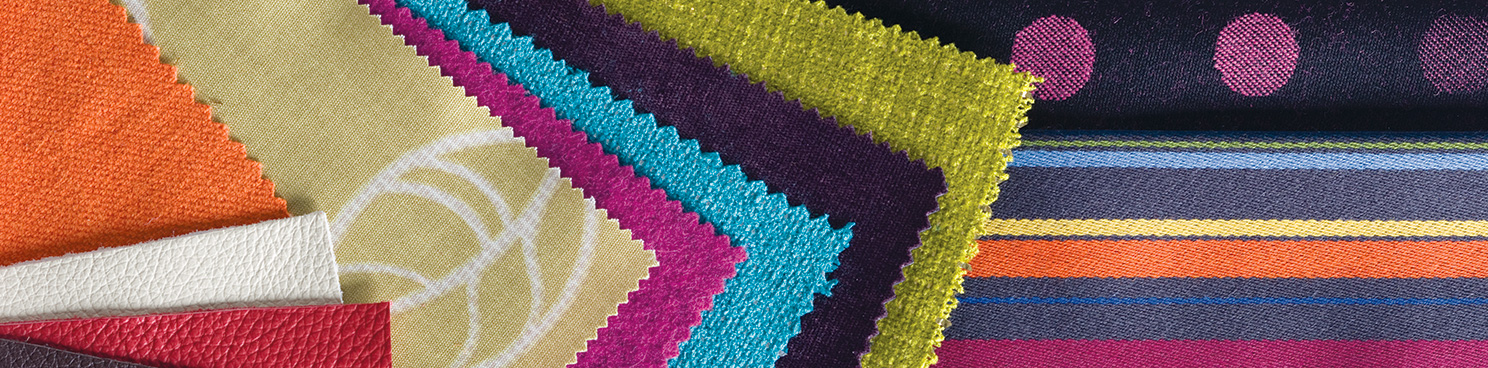
Whether you want to create a warm, cosy snug or a serene environment inspired by nature, colour can be a useful tool for establishing the atmosphere of a room.

Colour zoning can also be a useful tool for visually separating large, open spaces by grouping furniture in similar tones.

For residents living with dementia or reduced vision, it is important to choose upholstery which sufficiently contrasts with the flooring, and to avoid complex patterns to aid recognition and prevent confusion.
Impact of Colour

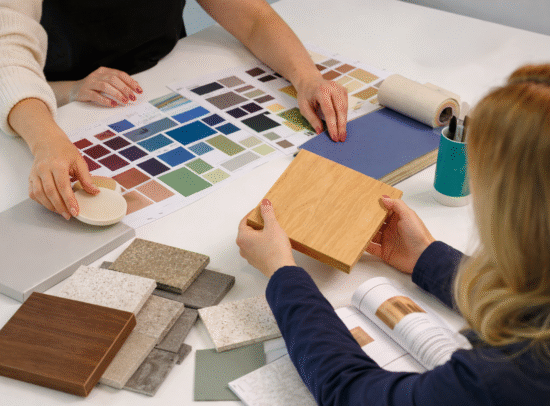
By speaking to staff and patients, we have been able to provide solutions through fabrics and finishes that aim to improve furniture for challenging environments, and therefore colour is used with purpose; calming blues to soothe, for example. Our Ryno® palette, for example, is balanced between soothing neutrals, light mid-tones and vibrant accents to
support both relaxation and stimulation, all while nurturing those who use mental health facilities.
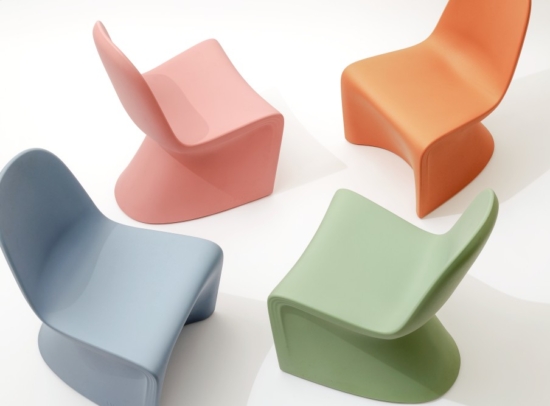
Ryno® Furniture

Rotationally moulded, durable polyethylene, one-piece construction provides excellent strength and stability. Flamed, textured finish further strengthens the fire-retardant, water-resistant, UV-stabilised shell. Anti-microbial material gives high chemical resistance (e.g. ammonia, sodium hydroxide) throughout the product. Item is fully recyclable as polyethylene can be melted down to create a whole new product.
  • Easy to keep clean with a soft cloth
  • For daily cleaning we recommend soap and warm water
  • It is recommended to use gentle general household detergents, degreasers or anti-bacterial cleaners
  • For removal of common stains. Clinell Universal disinfectant wipes (or similar), are recommended and can be used regularly
  • It is important to avoid using abrasive materials or cleaning agents for cleaning as this will scratch and dull the surface
  • Jet washing must not be used as it may adversely affect the surface finish
  • Using solvents brings a risk of damaging the surface

Cabinetry care

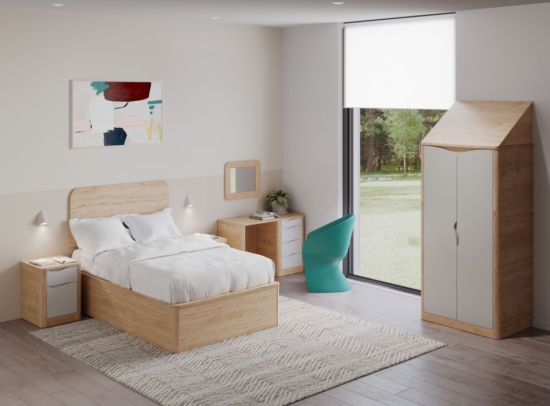
Care guidance for MFC (Melamine Faced Chipboard) cabinetry is simple, but regular maintenance is key to preserving its appearance and durability. Its hard-wearing, non-porous surface makes it ideal for healthcare, education and challenging environments, where hygiene and longevity are essential. With correct cleaning and protection from excess moisture or abrasion, MFC cabinetry will continue to perform and look its best in high-traffic settings.
  • Spillages must be removed immediately by using either a soft clean cloth, a sponge dampened with warm soapy water or a mild household detergent then wiped using a damp, clean cloth to remove any soap residue. Dry using an absorbent paper towel or microfibre cloth.
  • Avoid using scouring and abrasive agents (abrasive powders, scourers, steel wool)
  • Avoid using polish, washing powder, furniture cleaner, bleach
  • For greasy marks, a mild solution of washing-up liquid works well
  • Do not use detergents with strong acids and acidic salts
  • Avoid using jet washing or steam cleaning equipment
  • Never use substances that leave traces (waxes or oils for instance)
  • Avoid overloading shelves/drawers beyond weight recommendations
  • Ensure you check hinges and fixings periodically and tighten hardware as needed
  • Hot objects should not be placed directly on the surface, as this may result in discoloration

Explore our upholstery ranges

click here

Our global network of offices and partners means we're on-hand to help, wherever help is needed.

Mainland Europe
Scandinavia
North America
Middle East
Australasia
Africa
Asia